Future-Proof Your Outdoors: Integrating Resilient Design into Your Outdoor Spaces Jul 08, 2026
The goal of resilient design is to create spaces that can withstand adverse weather, environmental stresses, and changing lifestyle needs. In outdoor environments, this translates into structures and layouts that accommodate everything from climate change impacts to evolving family dynamics. But how do you approach this type of design effectively?
Start by considering the local environment. Think about the climate and typical weather patterns in your area. For instance, if your region is prone to heavy rainfall, ensuring proper drainage is crucial to prevent flooding and water damage to outdoor structures. Use native plants in landscaping as they are more likely to thrive in local conditions, requiring less maintenance and water.
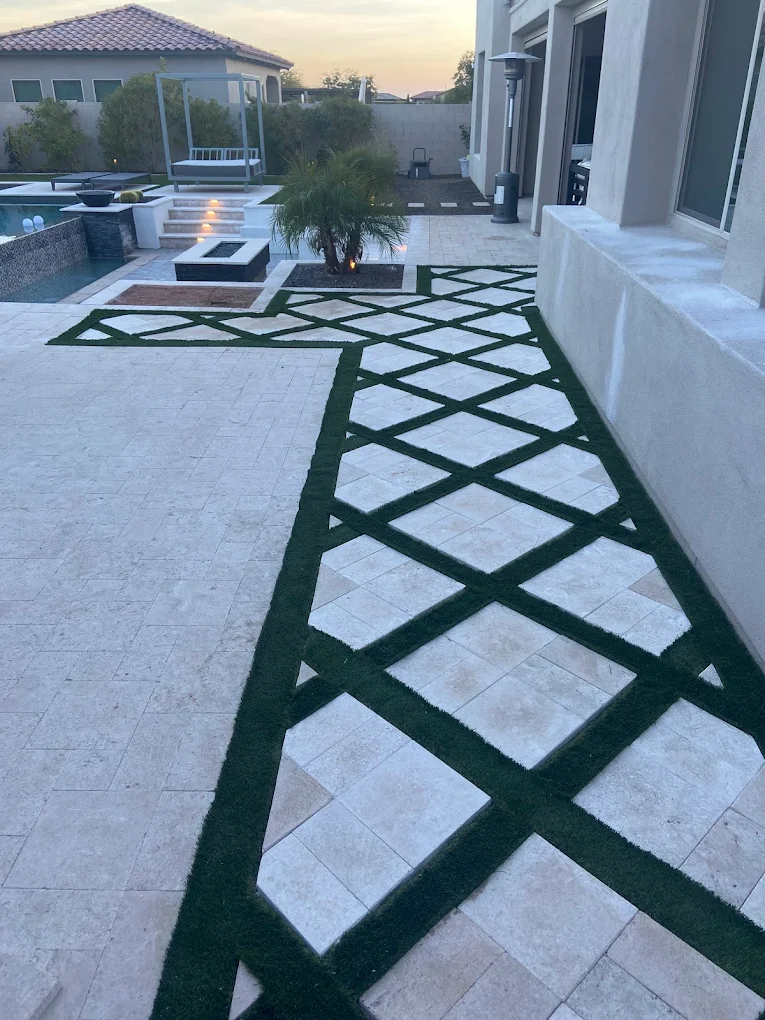
Material selection is another critical aspect. Choose materials that are not only durable but also sustainable. Composite decking, for example, provides a long-lasting alternative to traditional wood, with resistance to rot and insect damage without the need for regular treatments. Likewise, permeable paving options can help manage runoff water, reducing the risk of erosion and deterioration.
Another key consideration is multifunctionality. Resilient design also means your spaces can adapt to various uses with ease. Flexible installations, such as retractable awnings or modular furniture, allow for adjustments based on seasonality or event requirements. You should opt for designs that can evolve with your interests—consider integrating outdoor kitchens or weatherproof entertainment areas to expand living spaces beyond the home's walls.
Integrating technology is also a forward-thinking strategy. Smart outdoor lighting and automated irrigation systems not only enhance convenience but also contribute to sustainability. Motion-sensing lights can save energy while ensuring security, and smart irrigation systems can optimize water usage, reflecting a commitment to both resilience and environmental stewardship.
The aesthetic component should not be overlooked. Resilient design can be both functional and visually appealing. Reflect on how to use natural elements like stone or wood to complement the surroundings, ensuring your outdoor area blends seamlessly with the natural landscape. Employing a diverse range of textures and colors can make the space feel personalized and inviting while promoting harmony with nature.
Lastly, regular maintenance should be part of the resilient design plan. A thorough maintenance routine, scheduled seasonally, can extend the life of outdoor features while maintaining safety and aesthetics. Consider scheduling visits with Outdoor Pros to routinely inspect and service key components, such as irrigation systems and structural elements, promoting longevity and reliability.
In conclusion, integrating resilient design into outdoor spaces offers numerous benefits—longevity, adaptability, and enhanced value among them. By carefully selecting materials, planning for smart usage, and considering the environment, you can create an outdoor area that not only withstands the test of time but also grows and evolves with your needs. With the guidance and expertise provided by Outdoor Pros, future-proofing your outdoors becomes a seamless, rewarding endeavor.
/filters:no_upscale()/filters:format(webp)/media/915fb9ac-a133-4f6d-a9e6-fa04108e640b.webp)
/filters:no_upscale()/filters:format(webp)/media/c36d5dd0-1cfe-4ec2-8ab4-1ce5df56e507.webp)