How to Choose the Right Materials for Long-Lasting Outdoor Structures Nov 15, 2025
When embarking on an exterior remodeling project, consider environmental factors such as regional climate, weather patterns, and the intended use of the structure. For example, if you live in a coastal area, materials resistant to salt corrosion and high humidity are essential. Conversely, in areas with significant temperature fluctuations, options that expand and contract with the weather are preferable to prevent cracking and damage.
Wood is a popular choice for outdoor structures due to its natural beauty and versatility. However, not all wood is created equal. Hardwoods like teak, cedar, and redwood are naturally resistant to rot and insects. These species require less maintenance and offer long-lasting durability, making them excellent choices for decks and pergolas. When choosing wood, consider using treated lumber for increased resistance to decay.
Composite materials are an excellent alternative to traditional wood. They combine natural wood fibers with plastic to create a material that retains the appearance of wood while being more resistant to the elements. Composite decking, for instance, is resistant to rot, insects, and requires less maintenance than natural wood, making it a cost-effective option for homeowners.
For those looking at metal structures, materials like aluminum, steel, and wrought iron bring strength and longevity to the table. Aluminum is lightweight and resistant to rust, ideal for areas prone to moisture. Steel, on the other hand, offers unmatched strength, perfect for structural supports. Regular maintenance, such as anti-corrosion treatments, can further extend their lifespan.
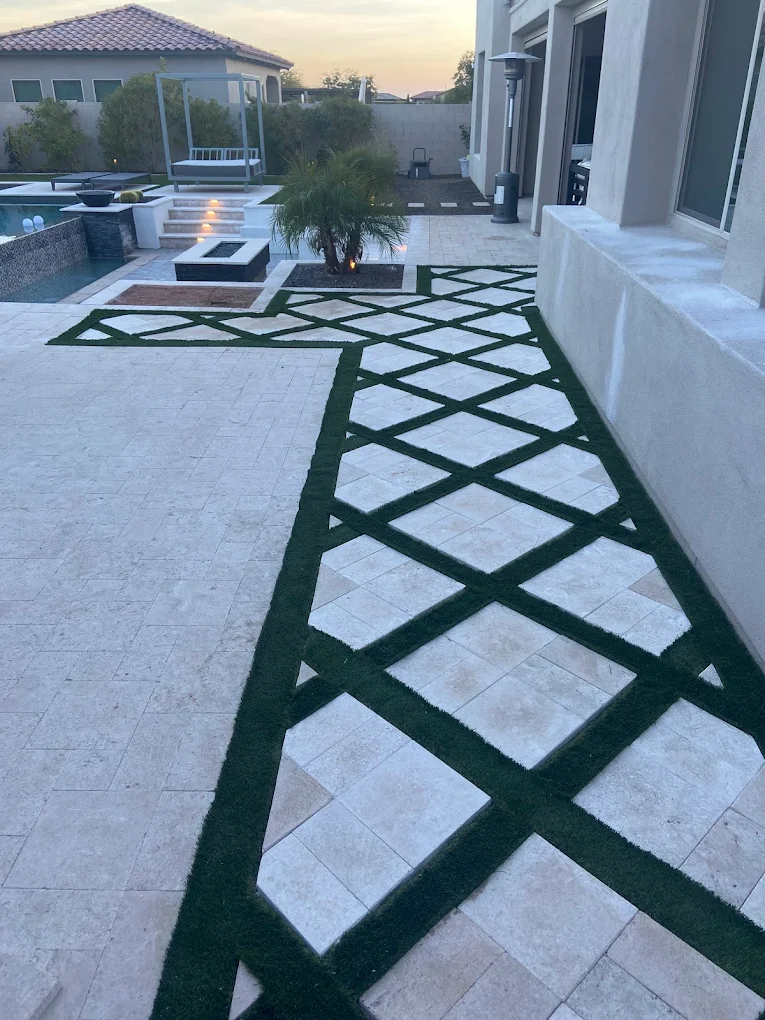
Stone and concrete are the materials of choice for patios and pathways, providing a solid foundation that can endure heavy foot traffic. Natural stone, such as granite or slate, offers timeless appeal and durability. However, it can be more costly than manufactured options. Concrete, with its versatility, can be shaped, tinted, and textured to mimic other materials while offering easy maintenance and resilience.
Vinyl is another versatile material, especially for fencing and siding. It requires minimal maintenance, and its ability to withstand harsh weather makes it a popular choice for homeowners seeking both functionality and aesthetic appeal.
Finally, when choosing materials for outdoor structures, sustainability is an important consideration. Many manufacturers now offer sustainable options, like reclaimed wood or recycled composites, which lessen environmental impact without sacrificing quality or durability.
In conclusion, selecting the right materials for outdoor structures involves balancing aesthetics, functionality, and environmental suitability. By considering these factors, homeowners can ensure their structures not only enhance the beauty of their property but also stand the test of time. At Outdoor Pros, we believe that informed choices lead to beautifully crafted and enduring spaces. If you require further assistance or have specific material queries, our team is always ready to help guide you through the selection process.
/filters:no_upscale()/filters:format(webp)/media/915fb9ac-a133-4f6d-a9e6-fa04108e640b.webp)
/filters:no_upscale()/filters:format(webp)/media/c36d5dd0-1cfe-4ec2-8ab4-1ce5df56e507.webp)