The Essential Guide to Choosing Durable Materials for Outdoor Construction Nov 27, 2025
The first aspect to consider is the type of climate your structure will face. Different materials react uniquely to elements such as rain, wind, and temperature changes. For instance, if your area experiences heavy rainfall, opting for water-resistant materials such as treated wood, concrete, or composite materials can help prevent damage and extend the life of your structure.
One of the most popular materials for outdoor constructions, particularly decks and patios, is pressure-treated wood. Known for its resistance to moisture and insects, this type of wood can endure various weather conditions when properly maintained. However, it does require regular sealing and staining to enhance its lifespan and keep it looking fresh. Cedar and redwood are also excellent natural options, offering robust resistance to decay and insects due to their natural oils.
Concrete is another durable option perfect for pathways, driveways, and patios. Its resistance to weather extremes makes it a reliable choice. While initially an investment, its low maintenance requirements and longevity often result in cost savings over time. Stamped and colored concrete additionally offers aesthetic flexibility, allowing you to customize the look to match your vision.
For those seeking a modern look, composite decking is gaining traction in outdoor construction. Made from a blend of recycled wood fibers and plastic, composite materials provide the look of wood without the susceptibility to warping, fading, or rotting. They require minimal maintenance and are available in a range of colors and finishes.
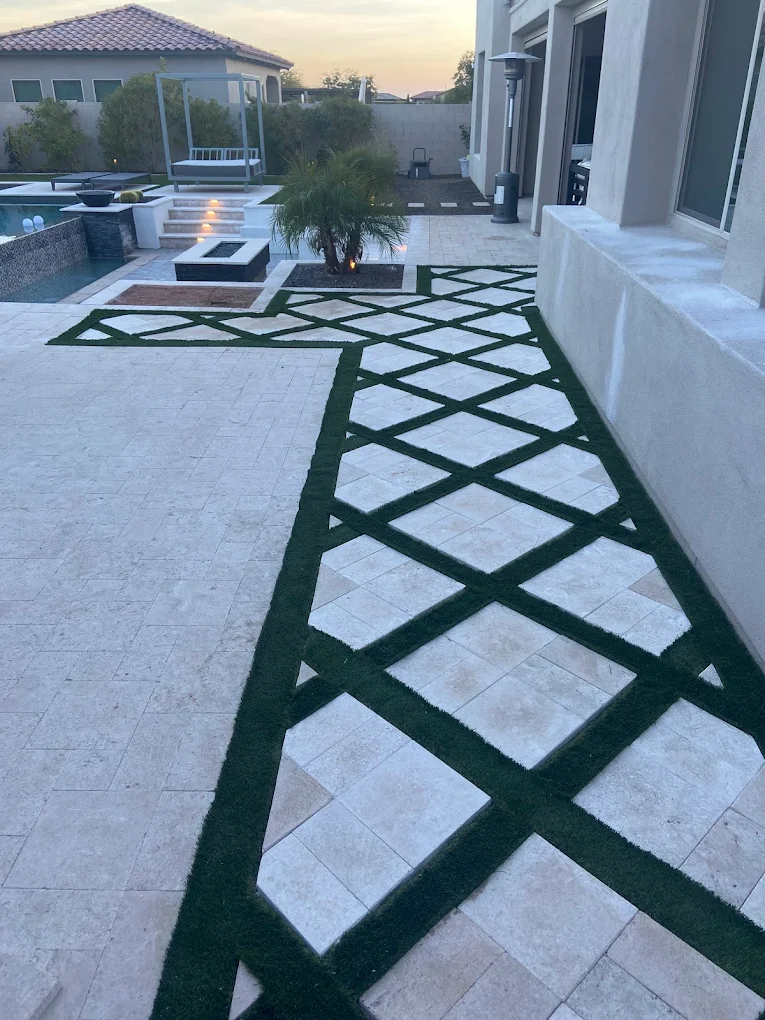
In recent years, stone and brick have become increasingly popular for their timeless elegance and durability. While their cost can be higher upfront, these materials boast impressive lifespans—century-long in many cases. Stone pathways, brick patios, and even stone siding are just a few examples of how these materials can be utilized effectively. Their ability to withstand heavy use without significant wear or tear makes them worthwhile investments for permanent installations.
One cannot forget about metal, particularly for structural elements like railings, fences, and even certain types of roofing. Metals such as steel or aluminum provide strength and durability, offering a modern aesthetic with low maintenance needs. When opting for metals, ensure they are properly treated or coated to prevent issues such as rusting.
Ultimately, the key to selecting the best materials for your outdoor construction project lies in considering both functionality and style. It's important to weigh the benefits of each option while keeping your local climate conditions in mind. Conduct thorough research or consult with a professional to ensure the materials you choose will meet your needs both now and in the future.
In conclusion, choosing durable materials is a vital part of the construction process that can significantly affect the longevity and value of your outdoor space. By considering factors such as climate, maintenance, and cost, you can make informed decisions that ensure your project withstands the test of time. At Outdoor Pros, we’re here to help guide you through this process, ensuring that your vision becomes a beautiful reality with materials that last for years to come.
/filters:no_upscale()/filters:format(webp)/media/915fb9ac-a133-4f6d-a9e6-fa04108e640b.webp)
/filters:no_upscale()/filters:format(webp)/media/c36d5dd0-1cfe-4ec2-8ab4-1ce5df56e507.webp)